A Report on Field Trip # 3 (Class - 1)
To: Sri Sadguru Mahadeva Mata, Allipur, Ballari (08-12-2025) 2025-2026
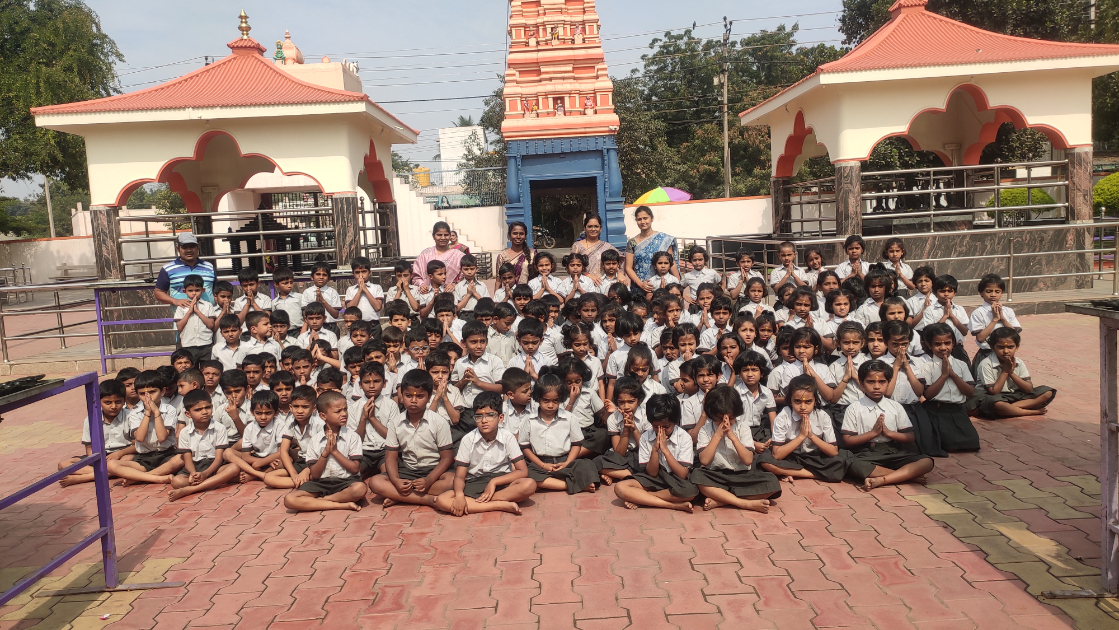
On December 8 2025, 132 students with 4 teachers went to a trip to Allipur with an aim to visit the Sadhguru Mahadeva Thatha Mata in Ballari. We arrived there at 11:40 a.m.
Trip objective
The objective of the trip was to get to know the importance of the place and the intentions of the temple. Here a child learns what his/her surroundings have to offer him. The children enhance their learning through observation. So, initiative step of taking children regularly to educational field trips is done.
Field Observation
We were guided by a mentor of the temple who explained in detail about the Mata and the Yogi Mahadeva Thatha. According to his saying Mahadeva Thatha left his home and family at the age of 8 or 9 years and started his meditation. People say that the Yogi lived around 300 years of life, but no one knows in particular till when the Yogi lasted for. Mahadeva Thatha took his spiritual life lessons from Sri Nanjunda Guru. The Yogi took initiation from Devanuru Guru Malleshwara Swami and started travelling to different places to enlighten the people. After initiation Mahadeva Thatha was present in Mysore palace for many years. And he travelled across Andra i.e., Adhoni and stayed in Gavi Mata and reached Ballari due to his friendship with his devotee Hanumanthappa. Later with great difficulty the present place was given to construct the temple by the British Governor of Madras. The Yogi stayed here for many years and worked for its development. He was very fond of cats and dogs so even today we see many cats and dogs in the temple.There are 9 Matas in Karnataka and they are run by the trust under the control of Kolagal Channana Goudru the incharge person of the trust.
In the year 2011 the Mata took its renovation and all the lingas that were present there are said to be 63 Sharanas who stayed in that area. The Mata also provides spiritual and subjective education with less fee structure to the poor students along with accommodation. Every new moon day, special rituals and worships are done and the Mata provides the devotees with free meals (prasadam). Every year at pushyamasa the fair of Mahadeva Thatha is conducted. The yogi has many devotees all around Karnataka and people from different places visit here to take his blessings.
Conclusion
Our trip ended about 1:50 p.m. The field trip was successful and we believe that the objective is achieved as the students learnt about the great yogi and the history of the place. Over all it was an informative trip for the students..
* * *
A Report on Field Trip # 3 (Class – 2)
To: Sri Amruteshwara Swamy Temple, Balaji Nagar, Ballari. (09-12-2025) 2025-2026
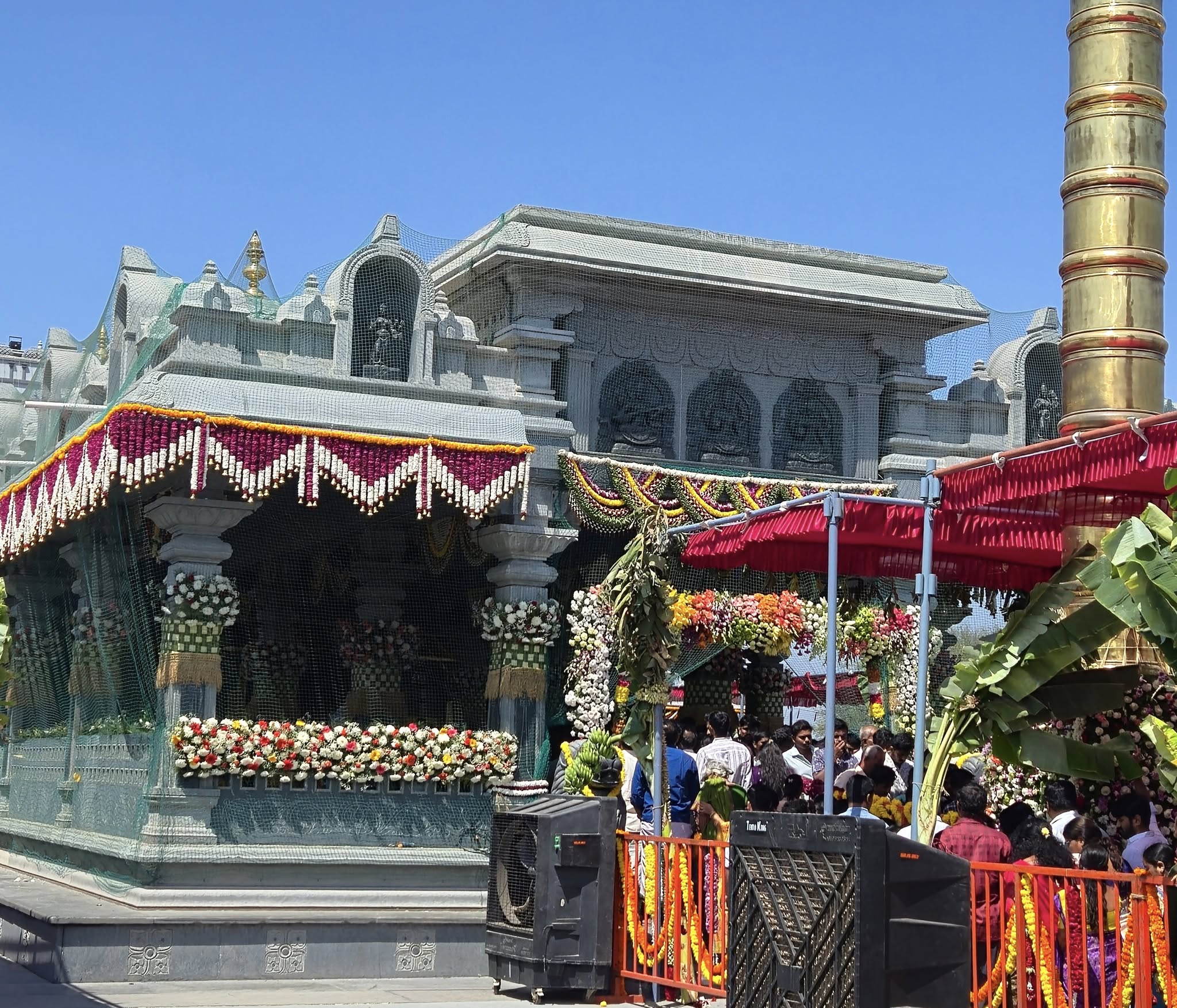
The students of Class II, along with teachers visited the temple – Sri Amruteshwara Swamy Temple in Ballari on Tuesday, 09 December 2025. It is 7 km away from Dream World School.
The objective of the visit was to learn about the importance of temples in our daily life and to know the features inside it.
Field Observation
Sri Amruteshwara Swamy Temple is a newly built God Shiva temple located in Balaji Nagar, Ballari. The temple was started in February 2023 and the in charge of the temple is Mr. Sai Korrapati. As per the priest’s narration, the Shiva Linga in the temple is brought from the Himalayas holding great spiritual significance. The students listened carefully and understood that Shiva Linga represents God Shiva and symbolizes peace and energy. Students took the blessings of God Shiva, chanted shlokas and enjoyed the prasadam. They also visited the Balaji Temple, took blessings and had their lunch in the temple premises.
Conclusion
The visit was peaceful, informative and memorable for the students. They understood the importance of temples and gained the basic knowledge about the Shiva Linga.
We thank the management of the temple for their support and cooperation in fulfilling our objective in this field trip.
* * *
A Report on Field Trip # 3 (Class - 3)
To: Skanda Agro Industries, Industrial Area, Ballari (08-12-2025) 2025-2026
Industries are places where raw materials are converted into useful products through various processes and machines. They play a major role in the development of a country by providing employment, producing goods, and supporting economic growth. Industries can be small or large-scale and may include sectors like agriculture, manufacturing, textiles, food processing and technology.
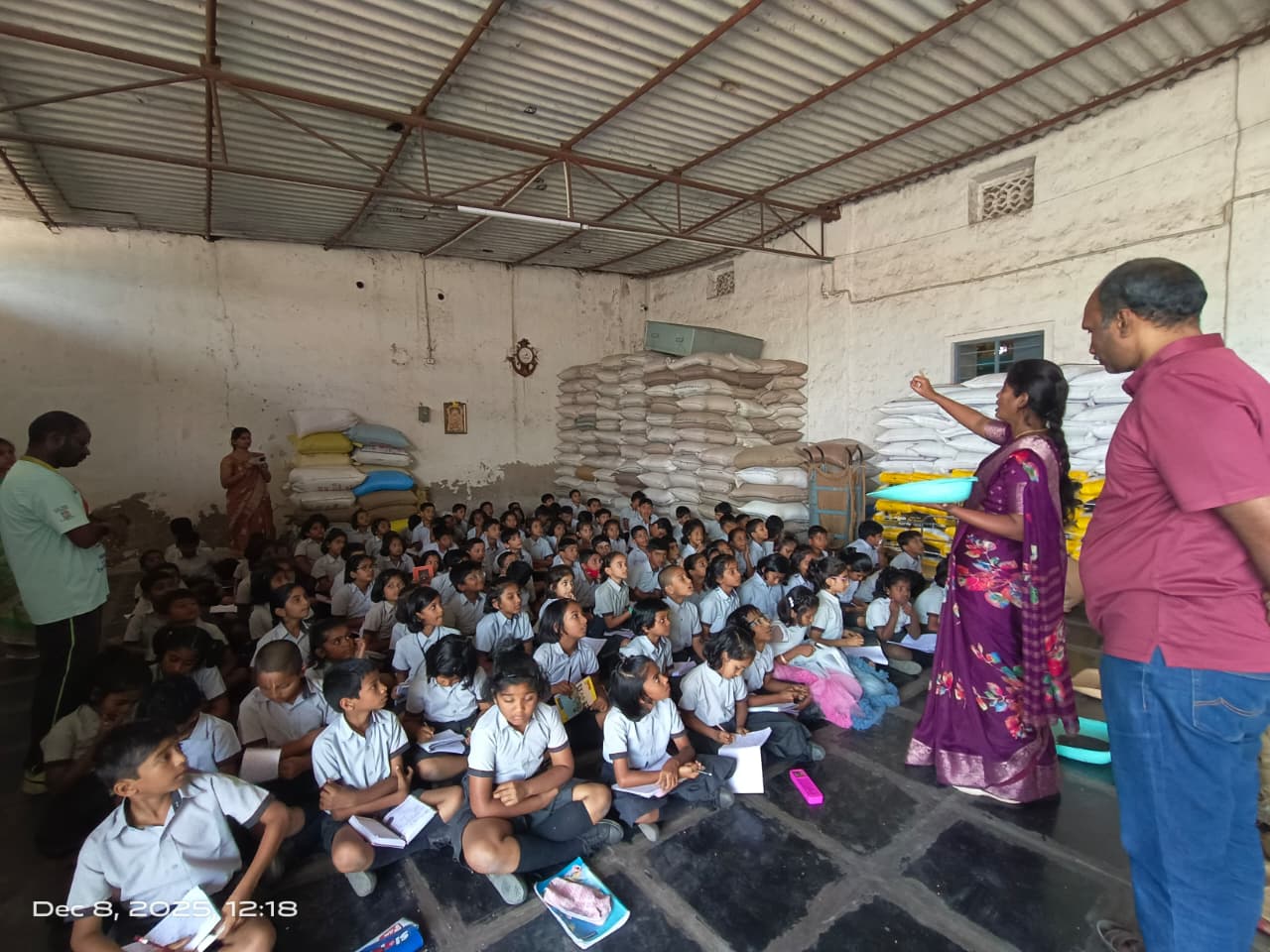
To learn practically about an industry, we took the students of Class III to The Skanda Agro Industries on Monday, 08 December 2025. It is approximately 10.4 km away from Dream World School.
Skanda Agro Industries was started in the year 2022 to clean and process different types of grains. Mr. Arvind Kumar J., the owner of the industry explained in detail about the process of removing impurities from the grains. They receive grains like yellow millet, jowar, bengal gram and bajra directly from farmers for the process. The industry uses several machines such as pre-cleaner, de-stoner, classifier, gravity separator and sorting machine for cleaning the grains. After the process the grains are packed and sent to the wholesale market. The industry provides employment to a large number of workers, helping them secure a stable income.
Students were happy to learn practically about the cleaning process of grains and acquire knowledge about one of the agro industries that delivers quality grains to the consumers.
We thank the owner of the ‘Skanda Agro Industries’, for their co-operation in making our field trip a successful one.
* * *
A Report on Field Trip # 3 (Class - 4)
To: Vijayanagar Egg Farm, Budihal Cross, Ballari (09/12/2025) 2025-2026
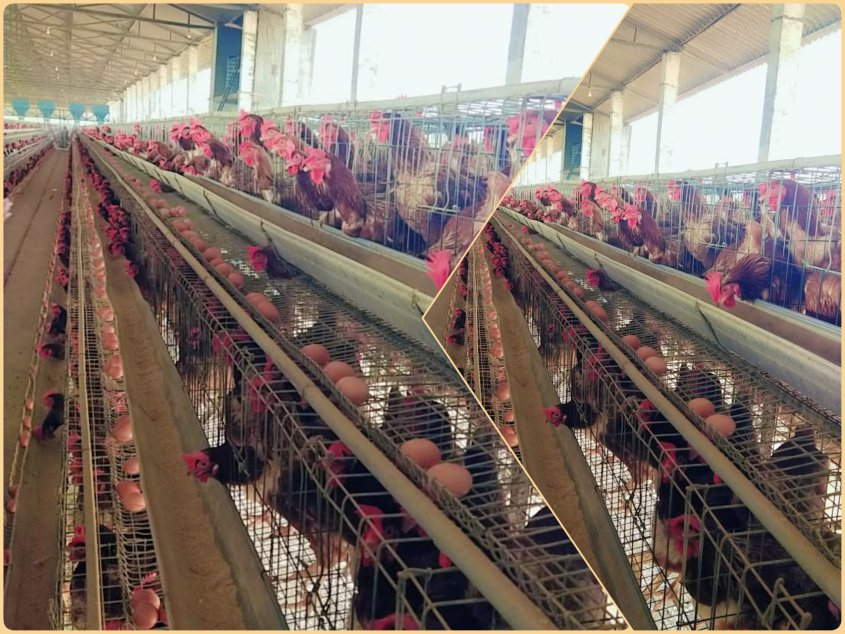
An egg farm is an agricultural unit where hens and cocks are raised mainly for the production of eggs. Egg farming plays an important role in providing nutritious food and generating employment in both rural and urban areas. The students were excited to visit the egg farm as it helped them understand how hens and cocks are raised.
On Tuesday, 09 December 2025, the students of Class IV along with their class teachers and assistant staff visited Vijayanagar Egg Farm as part of their educational programme. The poultry farm is located near Budhihal Cross, Bommanahal Road, Ballari. It is approximately 25 km away from our school. Mr. Durga Prasad and Ms. Swaroop, the incharge person of the farm explained the process of raising hens and cocks and shared valuable information with the students.
The Vijayanagar Egg Farm is a clean and well-organised place where hens and cocks are kept safely. The sheds are well designed to protect the birds from heat, cold, rain and predators. Proper ventilation and lighting are provided so that fresh air and sunlight can enter the shed. The floor and surroundings are kept clean to prevent diseases. The poultry farm is located in a pollution free environment which helps the birds to stay healthy and active. Overall, the shed and environment are comfortable and suitable for the growth and safety of the birds.
The hens and cocks are given nutritious food made from crushed corn, soya, rice, ragi, and jowar. Clean and fresh water is provided at all times. Regular vaccination and medical check-ups are conducted to prevent diseases. The farm is kept clean by disposing the waste regularly to maintain hygiene. The average weight of a hen is 1.75 kilograms and the cost of each egg is six rupees. After one and a half years the hens and cocks are sold in the market for their meat.
The visit to The Vijayanagar Egg Farm was very informative and enjoyable. The students learnt about the poultry farming. We sincerely thank the management and staff of ‘Vijayanagar Egg Farm’ for their cooperation and support..
* * *
A Report on Field Trip # 3 (Class - 5)
To: Moka Water Reservoir, Ballari. (16/12/2025) 2025-2026

On Tuesday, 16 December 2025, the students of Class V visited the Moka Water Reservoir. The water reservoir is about 10.7 km away from Dream World School.
A water reservoir is a larger artificial storage area where water is collected and preserved for future use. Reservoirs are usually created by constructing the dams across rivers to store rainwater and river water. They play a vital role in supplying water for drinking, irrigation, industrial use and electricity generation. These reservoirs are an important resource for managing water and meeting the needs of people throughout the year. With the objective to know about the water reservoir and its filtration process in real-life experience, our students visited the Moka Water Reservoir as a part of the educational programme.
Mr. Pradeep welcomed us and guided our students by explaining about the water reservoir and its filtration process.
Natural water from rivers, canals etc. is not considered suitable for drinking. Therefore, this water should be treated first, hence to treat the natural water and to purify, the water reservoir was established. By filtration process, the water will be suitable for human consumption and it can be supplied to the entire city for drinking purposes.
Moka Water Reservoir was established in the year 1964 by Mysore Emperor Jayachamaraja Wodeyar. Raw water from the reservoir is passed through screen like structures which have holes. The water is then collected in a sedimentation tank. Sedimentation is the process of settling down the large sediments under the force of gravity. In this step, large sediments settle down due to greater density than water. The water on the top is moved to another tank called loading tank. While large sediments get separated in the sedimentation tank, finer particles are still present in water.
These fine particles are separated from the water by the process of loading in the loading tank where a solution of alum is dissolved in water. Alum form insoluble gelatinous flocs by coagulating all the finer particles by absorbing them and forming their aggregates. These aggregates which are bigger in size are now capable of settling under the force of gravity. The supernatant water is then moved to filtration tanks. In the filtration tank, a set of layers of fine sand, coarse-sand or gravel and coarse-gravel is arranged in the form of a bed. This process of filtration removes the colloids and other suspended material remaining in water including micro-organisms also. The filtered water is finally purified by using disinfectants e.g.: Chlorine gas. Disinfectant kills pathogenic as well as other microorganisms in water. After disinfection water is pumped into overhead tank. From there, the water is pumped to Gandhi Nagar overhead tank for domestic distribution.
The residue of the filtered water containing fine gravel and sand is sent to the nearby fields for irrigation purpose.
The visit helped our students to gain the practical knowledge of water reservoir and its filtration process in real-life exposure. We thank the members of Moka Water Reservoir, for their care and support in fulfilling our objective of this field trip successfully..
* * *
A Report on Field Trip # 3 (Class - 6)
To: Karnataka Milk Federation (KMF) – Nandini Milk Dairy and Ice Cream Plant, Ballari.(19/12/2025) 2025-2026

It is a known fact that, milk is a liquid food that provides the necessary nutrients for a healthy body. Usually, we drink milk which is obtained from cows and buffaloes. The major portion of society like individuals, hotels, bakeries, organisations are utterly dependent on the milk supplied by milk dairies. Not only milk, even milk products like ice cream, yogurt, sweets are prepared here. Ice cream one of the popular milk products which is a frozen desert made from cream and ice with added flavours and sweeteners has been placed in healthy diets as it is rich in calcium.
With the objective to learn the steps involved in the processing of milk, milk packing and ice cream preparation and packing, our students of Class VI visited the Nandini Milk Dairy and Ice Cream Plant, as a part of an educational programme on Friday, 19 December 2025. It is about 4.3 km away from Dream World school.
Mr. Ravi Kiran, the managing director and his team guided our students in the Nandini Milk Dairy. The milk dairy was started in 1974 and at present they have 14 Unions in Karnataka and this is one among them. In Ballari Union, they have 3 branches namely, Koppal, Raichur, gudagumpa and Ballari. In the milk dairies, milk is collected from people and processed before it is supplied to the society. They collect approximately 2 lakh litres of milk from 120 villages per day.
The staff of Nandini Milk Dairy explained about the steps and precautions involved during processing of milk and types of milk to our students. Farmers collect milk from cows and send it to the main dairies by means of Bulk Milk Cooler (BMC) and Chilling Centres (CC). Here the quality check of milk is done by Corrected Lactometer Test (CLT), then the milk undergoes the pasteurisation process (quickly heating the milk to a near boiling temperature (72 - 780C) and quickly cooled to 40 C. The packing of milk is done by using machines and stored under low temperatures for further supply in the market and some milk products are also prepared.
Our students also visited the Ice Cream Plant, where they prepare 10,000 litres of ice cream per day. The ingredients are used to prepare ice cream are milk, sugar, skimmed milk powder, butter and stamulcol (acts as a emulsifier and stabilizer). They have different tanks like milk storage tank, ingredients mix tank, mix cum pre - heating tank, pasteurised tank, aging tank, flavours adding tank etc all these tanks are helpful in the manufacturing of ice cream.
This visit helped our students to gain the knowledge about the functioning of a milk dairy and ice cream plant with a real learning experience.
We are thankful to the Managing Director Mr. Ravi Kiran and technical officer Chandrika for their support and care in fulfilling our objective to complete this field trip successfully.
* * *
A Report on Field Trip # 3 (Class - 7)
To: Siri Agro Industries - Mundrigi 2nd phase, Bangalore Road, Ballari. (16/12/2025) 2025-2026

Clothes are one among the basic needs of our life. Clothes are obtained from plants or animals. Among plants and animals, it is the plant fibre most preferred by humans. One such plant fibre is cotton. It is soft, can be dyed easily into different colours and absorbs more moisture. Due to these advantages, different types of fabric materials are made using cotton.
With the objective to know the steps involved in the processing of cotton and to observe the process of ginning, our students of Class VII visited the Siri Agro Industries as a part of an educational programme on Tuesday, 16 December 2025. It is about 8.5 km away from Dream World school.
Siri Agro Industries was established on 26 May 2011. It is spread over 2 acres of land and has 20 ginning machines and 1 double pressing machine.
The team at the industry is headed by Krishna Kanth, one of the managing directors of the industry who guided our students throughout the field trip and explained about the ginning process. They collect raw cotton (kappas) from the farmers in the radius of 100 km of Ballari. The cotton is collected from farmers at the cost of `7300 per quintal. The raw cotton is separated based on the quality (whiteness and length) of the cotton. The separated cotton is sent to ginning process where the seeds and fibre (cotton) is separated, the fibre obtained is called the lint. Later, the lint is sent to the pressing machine and is baled (lint packed for marketing). The bales of cotton are then exported to Coimbatore in Tamil Nadu. Later on, the processed cotton is sent to further process before it is supplied to the market. The separated seeds are sent to the oil industries for extracting cotton seed oil which is used for cooking and to make cotton seed cake as fodder for the cattle. In recent years, the farmers started growing the BT 2 / Bacillus Thuringiensis which is a genetically modified cotton variety that is tolerant to bollworms and other insect pests and as usual to increase the yield of the crop.
This industry supports farmers by buying cotton from them at better prices.The cotton ginning industry significantly benefits society by driving economic development, creating employment opportunities for skilled and semi-skilled labourers..
* * *
A Report on Field Trip # 2 (Class - 8)
To: The Management Sanje Vani Press Ballari. 2022-2023
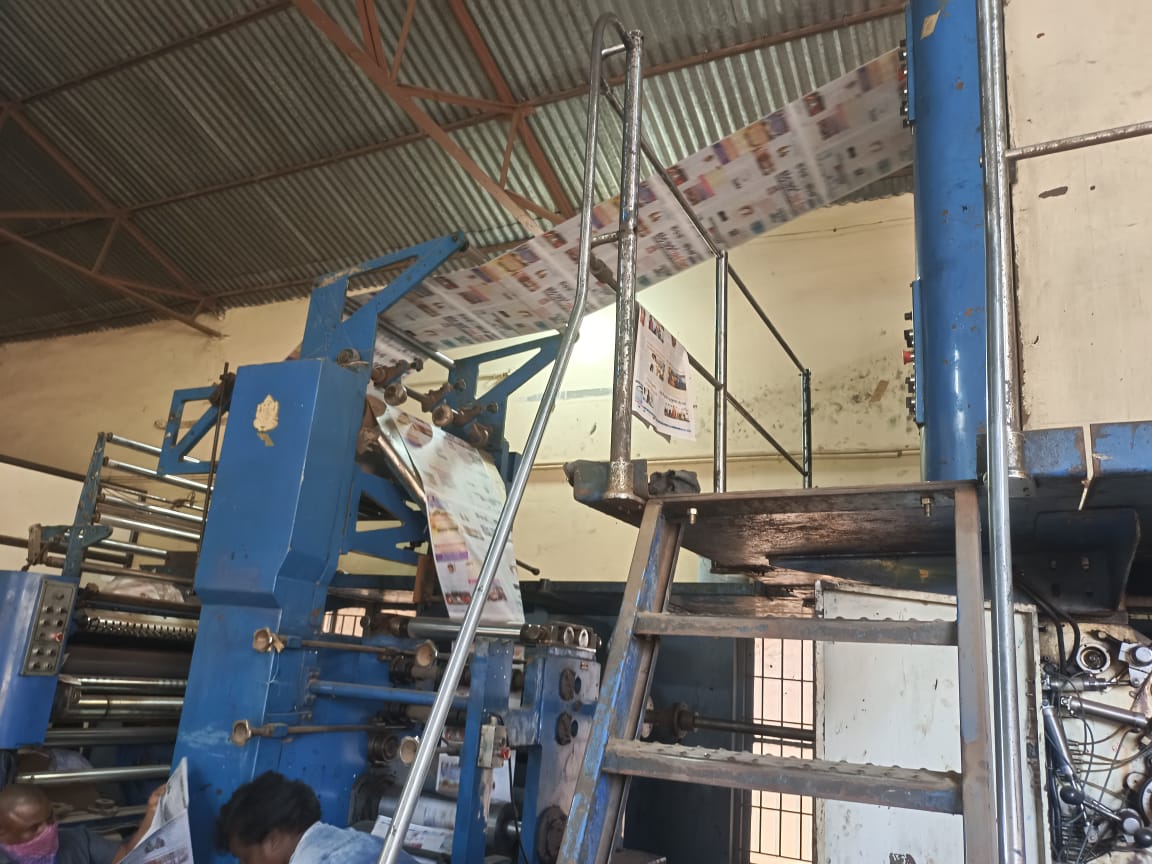
On 18th January 2023, the students of VIII Std along with teachers visited Sanje Vani Press, Ballari. It is 7 km away from Dream World School. We left for the place from school at 11:05 a.m.
With the objective of knowing how the newspaper is printed in the press, we have visited Sanje Vani Press.
The students were excited to know about the Printing Press viz, Sanje Vani press. We were guided by the reporter Mr Veerabhadra Gowda and the manager Mr Hanumanthappa. They gave information and the historical background of the press and the working of printing process.
Sanje Vani is a major Kannada afternoon paper which has its headquarters in Bangalore. It is the leading Kannada newspaper in Karnataka. Since its inception on 10th December 1982, it has led the revolution of print media reporting. It was the first south Indian language newspaper to be put onto the World Wide Web in the year 1998. Currently, the newspaper is published in 10 cities across the state of Karnataka.
Sanje Vani is the leading Kannada newspaper in Ballari since 19th November 1997. Offset printing is a commonly used printing technique in which the inked image is transferred from a plate to a rubber blanket, then to the aluminium sheet and then it is placed on the printing surface. Using chemicals and fountain solution the information was printed on the newspaper. It is the traditional method they followed previously but now they have switched on to the digital printing.
With the information provided by the guide Mr Veerabhadra Gowda and the staff of the press, our students came to know about the traditional way of printing in this digital age.
We thank Mr Veerabhadra Gowda and staff for their support and cooperation in fulfilling our objective in this field trip.
* * *
A Report on Field Trip # 3 (Class - 9)
To: The Fish Hatchery, Moka, Ballari (Dist.) 2023-2024
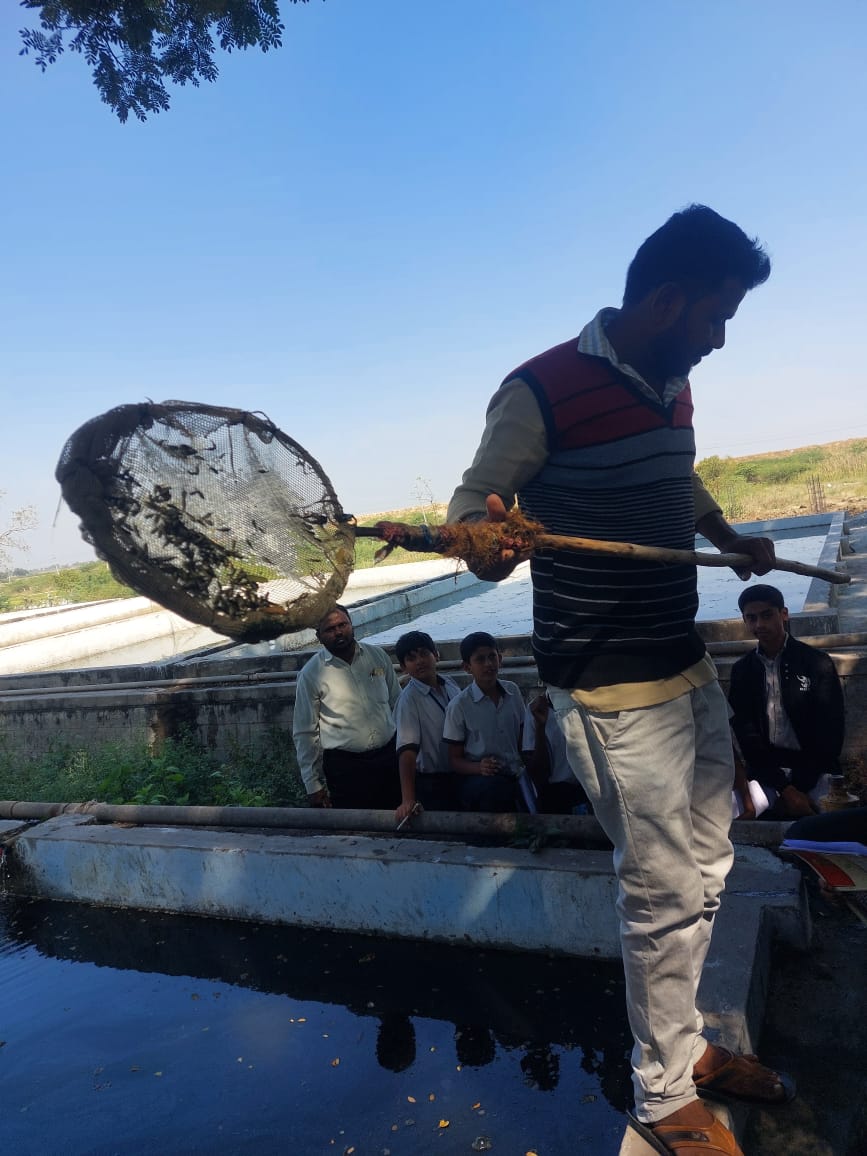
On Saturday 17th February 2024, the students of Class IX along with respective teachers visited a fish hatchery, situated in Moka, Ballari, managed by the Department of Fisheries. It is about 20 km away from Dream World School.
Fish is an important item of food for many people as it is rich in proteins, minerals and vitamins like A and D. We visited the fish hatchery to gain practical knowledge about Composite Fish Culture. There are two ways of obtaining fishes. They are Capture Fishery and Culture Fishery. In capture fishery, fishes are captured from their natural habitats and are sold. As all the people are not accessible to the fishes by the capture fishery method, culture fishery was introduced. In the culture fishery, eggs of the fishes are collected and they are cultured in natural sources of water or artificial ponds. ‘Composite Fish Culture’ is the main type of Culture Fishery. It includes rearing of different types of fishes in the same pond. This helps people to get more profit economically.
At the fish hatchery, we were guided by Mr Vishwanath and Mr Shivayya the staff of the Department of Fisheries. The hatchery consists of sixteen ponds with the depth of 5 feet and the length and breadth of 20 X 40 feet each. In all the ponds composite fish culture is done with three types of fishes namely catla, common carp and rohu. These three fishes are grown in the same pond as they do not compete for food. The next set of fishes grown in the same pond which do not compete for food is mrigal, silver carp and grass carp. Catla and silver carp are surface feeders, rohu and grass carp are column/middle zone feeders and mrigal and common carp are bottom feeders.
The students went around the ponds and observed the varieties of hatchlings that are reared. The hatchlings are brought from the hatchling hapas at Bhadravati dam. There are around 5,00,000 hatchlings in the ponds. Once the hatchlings are grown to a size of 2-3 cm fingerlings they sell these fingerlings to the farmers to rear them in their fish farm at a minimal price ranging between `700 – `1200 per 1000 fingerlings. The fingerlings are packed in the large polythene bags with half-filled water and oxygen. The quantity of oxygen in these bags used in transportation depends upon distance to be covered and size of the fingerlings.
The fishes are fed with rice bran cakes and groundnut oil cakes every morning. They periodically check the ponds for the proper growth of the fingerlings and also keep the ponds clean.
Fish culturing is an economically important activity done not only to obtain fish as it is the main source of food but also it is a provider of employment to many people. The visit to the hatchery was a practical learning experience for the students to understand the concept of animal husbandry.
Apart from hatchery, the students were also taken to the social forest where they saw different types of plants grown, which will later be supplied to the road side plantations, government schools and hospitals too.
We thank the Department of Fisheries and the staff for their support and cooperation in providing this opportunity of learning for our students.
* * *